
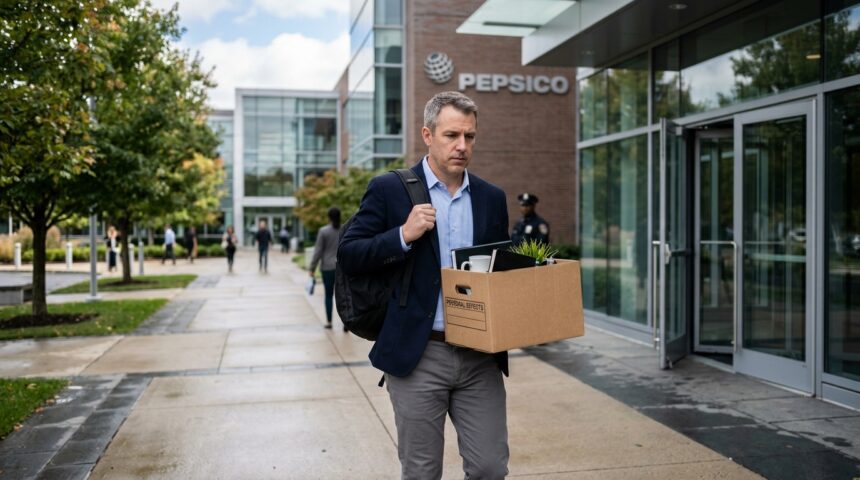
The global corporate landscape is undergoing a massive transformation, and even food and beverage giants are not immune to these shifting economic tides. In recent months, news regarding pepsico layoffs has caught the attention of industry experts, employees, and investors worldwide. As companies adjust to changing consumer behavior, supply chain costs, and automation, corporate restructurings have become increasingly common.
- Understanding the Context Behind PepsiCo Layoffs
- Which Sectors and Roles Are Most Affected?
- The Corporate Strategy: Efficiency and Reinvestment
- The Human Impact: Support and Career Transitions
- Broader Trends in the Food and Beverage Industry
- What Lies Ahead for PepsiCo and the Industry?
- Frequently Asked Questions (FAQs)
- Conclusion
Understanding the motives behind the pepsico layoffs requires a deep dive into macroeconomic challenges, technological integration, and the evolving consumer market. This comprehensive guide explores why these workforce reductions are happening, which departments are affected, and what the future holds for global corporations navigating economic uncertainty.
Understanding the Context Behind PepsiCo Layoffs
When a company as robust as PepsiCo reduces its headcount, it rarely stems from a single factor. Instead, it is typically the result of long-term strategic realignments aimed at keeping the organization agile, efficient, and profitable.
- Macroeconomic Pressures: Persistent inflation, rising raw material costs, and global supply chain disruptions have squeezed corporate margins across the globe.
- Changing Consumer Habits: Consumers are shifting toward healthier beverage options, eco-friendly packaging, and value-driven shopping, forcing brand realignments.
- Operational Restructuring: To streamline decision-making, many multinational companies are trimming redundant managerial layers to improve overall agility.
Economic Factors Driving Corporate Restructuring
Inflationary pressures have raised the cost of production, packaging, and distribution. While PepsiCo has successfully managed revenue growth through strategic price increases, long-term sustainability requires curbing internal operational costs. The decision surrounding pepsico layoffs reflects a broader corporate shift toward lean management, where resources are redirected to high-growth sectors while traditional corporate overhead is reduced.
The Shift Toward Automation and Digitalization
Technology plays a massive role in modern workforce trends. Companies are heavily investing in digital transformation, machine learning, and automated supply chain operations. As software handles routine administrative tasks, logistics scheduling, and data analysis, fewer traditional roles are required. Consequently, tech integration has directly contributed to structural realignments like the pepsico layoffs.
Which Sectors and Roles Are Most Affected?
Corporate downsizing rarely impacts every branch of an organization equally. In most multinational restructuring efforts, frontline supply chain workers remain essential, while corporate headquarters and managerial divisions bear the brunt of staff reductions.
- Corporate Headquarters: Administrative, regional managerial, and strategic planning departments often experience the primary reductions.
- Marketing and Advertising: Streamlining marketing teams by leaning into digital and AI-driven campaigns reduces the need for large traditional marketing personnel.
- Human Resources and Recruitment: With hiring freezes or slowed expansion, internal HR and recruitment demands decrease proportionately.
Impact on Corporate vs. Frontline Staff
While corporate operations undergo efficiency reviews, frontline staff—such as warehouse workers, delivery drivers, and factory operators—are generally less affected. These roles are vital for day-to-day manufacturing and distribution. Protecting the frontline workforce ensures that product availability on store shelves remains uninterrupted despite broader structural adjustments.
Regional Differences in Workforce Adjustments
Workforce reductions often vary by region based on localized market performance and labor regulations. North American corporate divisions frequently adjust faster due to flexible labor markets, whereas European operations often follow longer consultation periods. Observing regional variations in pepsico layoffs illustrates how global strategy adapts to local economic and regulatory environments.
The Corporate Strategy: Efficiency and Reinvestment
The driving goal behind structural adjustments is to free up capital that can be reinvested into key growth areas. Companies must continuously evolve to stay ahead of competitors like Coca-Cola, Kraft Heinz, and regional beverage brands.
| Strategic Focus Area | Purpose of Investment | Expected Outcome |
| Zero-Sugar & Healthier Lines | Expanding sugar-free beverages and healthier snack brands | Capturing health-conscious market share |
| Digital Supply Chain | Implementing AI and real-time tracking systems | Lowering long-term logistical overhead |
| Sustainable Packaging | Transitioning toward 100% recyclable bottles and eco-packaging | Meeting global environmental standards |
| Direct-to-Consumer (D2C) | Enhancing online sales channels and direct consumer engagement | Higher profit margins and better customer data |
Reallocating Resources for Future Growth
Financial savings realized from workforce rationalization do not simply sit in bank accounts. They are reallocated into research and development, sustainable packaging initiatives, and digital infrastructure. By addressing inefficiencies through targeted pepsico layoffs, the business ensures it retains the financial strength necessary to capitalize on emerging market opportunities.
How PepsiCo Competes in a Shifting Market
Consumer preferences are changing faster than ever. Modern shoppers demand functional beverages, plant-based snacks, and eco-friendly packaging. Staying competitive requires rapid product innovation. Rebalancing workforce investments empowers companies to build specialized teams focused on e-commerce, digital marketing, and product formulation rather than traditional corporate overhead.
The Human Impact: Support and Career Transitions
Behind every corporate announcement are real people navigating unexpected career shifts. Managing workforce changes with empathy and comprehensive severance packages is vital for preserving company reputation and employee trust.
- Severance Packages: Financial compensation based on years of service helps ease the initial transition period.
- Outplacement Services: Professional career coaching, resume building, and job search assistance are routinely offered to departing staff.
- Healthcare Continuation: Extending medical coverage for a designated period ensures former employees remain protected during job searches.
Corporate Responsibility and Severance Support
A key aspect of modern human resource management during workforce reductions is offering robust support systems. Responsible organizations recognize that transparent communication and comprehensive outplacement benefits significantly reduce stress for transitioning workers. Providing these resources softens the impact of corporate downsizing and maintains goodwill.
Lessons for Professionals in the FMCG Industry
The ongoing shifts highlighted by the pepsico layoffs serve as a valuable reminder for professionals in the Fast-Moving Consumer Goods (FMCG) sector. Building adaptable, future-proof career paths requires continuous learning and skill development.
- Embrace Data and Digital Tools: Gaining proficiency in data analytics, digital marketing, or supply chain automation enhances career longevity.
- Focus on Core Business Value: Roles directly tied to revenue generation, product development, and customer acquisition are consistently resilient.
- Maintain Strong Professional Networks: Staying connected with industry peers provides a safety net during sudden market shifts.
Broader Trends in the Food and Beverage Industry
The structural shifts seen at PepsiCo are reflective of industry-wide changes across the entire Food and Beverage (F&B) sector. Global economic pressures impact every major FMCG player.
Supply Chain Bottlenecks and Cost Controls
Recent years have highlighted vulnerabilities in global supply chains. Rising freight fees, ingredient shortages, and fluctuating fuel prices have increased operating costs. To protect profitability, companies across the sector are forced to optimize internal costs, leading to workforce realignments across multiple global brands.
The Role of AI and Automation in FMCG
Artificial intelligence is transforming consumer packaged goods companies. From automated inventory forecasting to AI-driven consumer insights, technology allows organizations to run lean operations. As these tools become standard, traditional corporate roles undergo permanent evolution, influencing workforce trends across the entire market.
What Lies Ahead for PepsiCo and the Industry?
Despite short-term organizational changes, the long-term outlook for major consumer brands remains grounded in strong fundamentals. The beverage and snack industry benefits from durable global demand, providing a stable foundation for future growth.
Companies that successfully navigate these structural changes tend to emerge leaner, more agile, and better positioned to handle future market disruptions. The lessons learned from workforce restructurings offer valuable insight into how legacy corporations adapt to a rapidly modernizing world.
Frequently Asked Questions (FAQs)
Q1: Why are corporate workforce reductions happening at PepsiCo?
Workforce adjustments are driven by macroeconomic inflation, operational efficiency goals, rising supply chain costs, and increased investment in digital automation.
Q2: Which departments are typically affected during corporate restructuring?
Administrative, regional managerial, traditional marketing, and internal recruitment teams are often the primary focus of corporate downsizing.
Q3: Are frontline workers like factory staff impacted by these shifts?
Frontline operations—such as manufacturing plants, warehouses, and delivery logistics—are generally prioritized to maintain smooth product distribution.
Q4: How does PepsiCo support departing employees?
Departing employees typically receive severance pay, temporary health insurance extensions, and outplacement support services to assist with career transitions.
Q5: How can FMCG professionals future-proof their careers?
Professionals can build career resilience by acquiring digital and analytical skills, focusing on high-impact revenue roles, and actively networking within their industry.
Conclusion
The news surrounding pepsico layoffs reflects the complex realities of modern business management. In an era marked by economic shifts, technological innovation, and changing consumer tastes, major corporations must continuously adapt to maintain efficiency.
While workforce transitions present immediate challenges for affected employees, long-term strategic adjustments allow companies to reinvest in digital growth, sustainable packaging, and market innovation. For professionals across all industries, staying adaptable, upskilling, and understanding broader corporate trends remain the best strategies for long-term career success.
