
Introduction
A chain link fence is one of the most practical and affordable fencing solutions available today. Whether you want to secure your home, protect a commercial property, or create a safe space for children and pets, this fencing option offers durability, flexibility, and long-lasting performance.
- Introduction
- Galvanized Fence
- Vinyl-Coated Fence
- Privacy Fence
- Heavy-Duty Industrial Fence
- Step 1: Property Measurement
- Step 2: Digging Post Holes
- Step 3: Installing Posts
- Step 4: Attaching Rails
- Step 5: Stretching the Wire Mesh
- Step 6: Installing Gates
- Clean Regularly
- Inspect for Rust
- Tighten Loose Parts
- Trim Nearby Plants
- Repair Damage Quickly
- Fence Height
- Property Size
- Material Quality
- Gate Installation
- Labor Charges
- Purpose
- Budget
- Climate
- Local Regulations
- How long does a chain link fence last?
Its popularity comes from its simple design, low maintenance requirements, and ability to withstand different weather conditions. From residential backyards to industrial facilities, sports grounds, schools, and public parks, this fencing system is widely used across the world.
In this comprehensive guide, you’ll learn everything you need to know about choosing, installing, maintaining, and maximizing the value of a chain link fence.
What Is a Chain Link Fence?
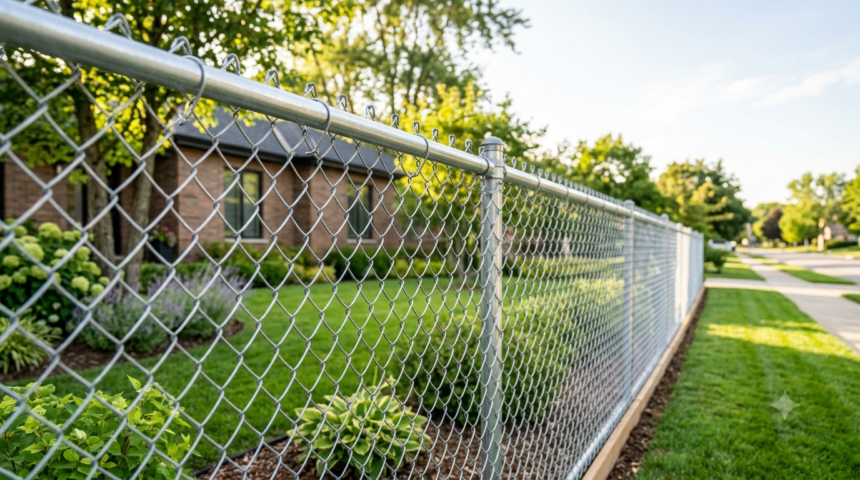
A chain link fence is a woven steel wire fence made by interlocking galvanized or coated metal wires into a diamond-shaped mesh pattern. The fence is supported by steel posts placed at regular intervals, creating a strong and secure barrier.
Depending on the intended use, it can be installed in different heights, wire thicknesses, and coating finishes.
Benefits of Choosing a Chain Link Fence
Many homeowners and business owners choose this fencing option because it offers numerous advantages.
Cost-Effective
Compared to wood, vinyl, and ornamental metal fencing, it is much more affordable while still providing excellent security.
Long-Lasting
Galvanized and vinyl-coated materials resist rust, corrosion, and weather damage, making the fence last for many years.
Low Maintenance
Unlike wooden fences that require painting or staining, this fencing only needs occasional cleaning and inspection.
Excellent Security
It creates a visible barrier that discourages trespassers while allowing clear visibility from both sides.
Quick Installation
Professional installers can usually complete most residential fencing projects within one or two days.
Versatile Applications
It is suitable for:
- Residential homes
- Commercial buildings
- Factories
- Schools
- Parks
- Sports facilities
- Construction sites
- Farms
Types of Chain Link Fence
Different projects require different fencing materials. Here are the most common types.
Galvanized Fence
This is the most popular option because it provides excellent rust resistance through a protective zinc coating.
Best for:
- Residential properties
- Commercial areas
- Industrial facilities
Vinyl-Coated Fence
Vinyl-coated fencing includes an additional protective layer available in colors like black, green, and brown.
Benefits include:
- Improved appearance
- Better corrosion resistance
- Longer lifespan
- Reduced maintenance
Privacy Fence
Privacy slats can be inserted into the mesh openings to reduce visibility.
Ideal for:
- Homes
- Swimming pools
- Backyards
- Commercial storage areas
Heavy-Duty Industrial Fence
Industrial-grade fencing uses thicker wire and stronger posts to provide higher levels of protection.
Common applications include:
- Airports
- Warehouses
- Government buildings
- Manufacturing facilities
Common Uses
This fencing solution works well for a wide variety of purposes.
Residential Security
Many homeowners install fencing around their property to improve safety while maintaining visibility.
Pet Enclosures
Dogs and other pets remain safely inside the yard without blocking outdoor views.
Sports Facilities
Tennis courts, baseball fields, and playgrounds commonly use this fencing due to its durability.
Commercial Properties
Businesses rely on secure fencing to protect equipment, inventory, and parking areas.
Agricultural Land
Farmers use fencing to separate livestock and protect crops from unwanted animals.
Materials Used
Most fencing systems are made from high-quality steel.
Common materials include:
- Galvanized steel
- PVC-coated steel
- Stainless steel (special applications)
The choice depends on climate, budget, and expected lifespan.
Standard Heights Available
Fence height should match the intended purpose.
Common options include:
- 3 feet
- 4 feet
- 5 feet
- 6 feet
- 8 feet
- 10 feet
- 12 feet (industrial applications)
Higher fences provide better security but may require local permits.
Installation Process
Professional installation generally follows these steps.
Step 1: Property Measurement
The installation team measures the perimeter and marks post locations.
Step 2: Digging Post Holes
Concrete footings are prepared to secure terminal and line posts.
Step 3: Installing Posts
Steel posts are aligned carefully to ensure a straight fence line.
Step 4: Attaching Rails
Top rails are installed to provide structural stability.
Step 5: Stretching the Wire Mesh
The wire fabric is stretched tightly before being attached to the posts.
Step 6: Installing Gates
Access gates are added wherever required.
Maintenance Tips
One of the biggest advantages is easy maintenance.
Here are a few simple tips:
Clean Regularly
Wash the fence with water and mild soap to remove dirt.
Inspect for Rust
Although galvanized steel resists corrosion, occasional inspection helps detect minor issues early.
Tighten Loose Parts
Check fittings, bolts, and gate hinges annually.
Trim Nearby Plants
Keep vegetation from growing into the fence to reduce moisture buildup.
Repair Damage Quickly
Replace bent wires or damaged posts before the problem spreads.
Cost Factors
Several factors influence the total installation cost.
Fence Height
Taller fences require more material.
Property Size
Larger areas naturally increase material and labor costs.
Material Quality
Vinyl-coated options generally cost more than galvanized versions.
Gate Installation
Additional gates increase the project budget.
Labor Charges
Installation costs vary depending on region and contractor experience.
How to Choose the Right Fence
Before making a decision, consider these important factors.
Purpose
Determine whether your primary goal is:
- Security
- Privacy
- Pet containment
- Property boundaries
- Decorative appearance
Budget
Choose materials that balance affordability with long-term durability.
Climate
If you live in areas with heavy rain or humidity, corrosion-resistant coatings are highly recommended.
Local Regulations
Some neighborhoods have fencing rules regarding height, location, and appearance. Always verify local building codes before installation.
Advantages Compared to Other Fence Types
| Fence Type | Cost | Maintenance | Durability | Visibility |
|---|---|---|---|---|
| Chain Link | Low | Low | High | Excellent |
| Wood | Medium | High | Medium | Limited |
| Vinyl | High | Low | High | Limited |
| Aluminum | High | Low | High | Excellent |
| Wrought Iron | Very High | Medium | Excellent | Excellent |
This comparison shows why many property owners consider chain link fencing a smart long-term investment.
Ways to Improve Appearance
Modern fencing no longer has to look plain.
Popular upgrades include:
- Black vinyl coating
- Decorative post caps
- Privacy slats
- Climbing plants
- Landscaping around the fence
- Matching entry gates
These additions improve curb appeal while maintaining functionality.
Environmental Benefits
Many steel fencing materials are recyclable, making them an environmentally responsible choice.
Because of their long lifespan, fewer replacement materials are required over time, reducing overall waste.
Frequently Asked Questions (FAQs)
How long does a chain link fence last?
A properly installed galvanized or vinyl-coated fence can last 20–30 years or even longer with regular maintenance.
Is it suitable for pets?
Yes. It is one of the safest fencing options for dogs and other household pets when installed at an appropriate height.
Can it provide privacy?
Yes. Privacy slats, screens, or climbing plants can significantly reduce visibility.
Does it rust?
Galvanized and vinyl-coated steel are designed to resist rust. Occasional inspections help maintain their condition.
Is professional installation necessary?
While experienced DIY homeowners can install smaller fences, professional installation usually ensures better alignment, durability, and long-term performance.
Conclusion
A chain link fence remains one of the most reliable, affordable, and versatile fencing solutions for residential, commercial, and industrial properties. Its durability, quick installation, low maintenance requirements, and excellent security make it a preferred choice for countless property owners.
By selecting the right material, choosing an appropriate height, and performing basic maintenance, you can enjoy decades of dependable performance. Whether your goal is improving safety, protecting pets, defining property boundaries, or securing a business, this fencing option delivers outstanding value and long-term peace of mind.
