
Meta Description: Discover the rich world of road food! Learn what makes roadside dining so popular, explore regional specialties, and get practical safety tips for your trip.
- Introduction
- Table of Contents
- What Is Road Food and Why Is It So Popular?
- The Cultural Significance of Roadside Dining
- Top Regional Road Food Specialties You Must Try
- Safety and Hygiene Tips for Roadside Eating
- Practical Tips for Planning a Road Food Adventure
- Frequently Asked Questions (FAQs)
- What is the definition of road food?
- How do I find the best road food spots while driving?
- Is roadside food safe to eat during long trips?
- What are the best packable snacks to supplement hot road food?
- Why is local highway dining often better than fast-food chains?
- How can I budget for food on a long road trip?
- Conclusion
Introduction
Few experiences compare to the open highway, crisp morning air, and the promise of a memorable destination ahead. However, experienced travelers know that a truly great road trip is defined as much by what you eat along the way as by where you are going. This is where road food enters the picture. It represents more than just quick nourishment during a long drive; it offers a direct connection to local culture, regional flavors, and culinary traditions that you simply cannot find inside a typical chain restaurant.
When you step out of your vehicle and walk up to a roadside diner, a local food truck, or an iconic highway stand, you are getting a front-row seat to authentic flavor. From savory slow-cooked barbecue pitstops in the American South to crispy street food stalls along coastal routes, roadside eating turns travel time into a culinary adventure.
This comprehensive guide explores everything you need to know about navigating the world of highway cuisine. We will look at why local highway dining has captured the hearts of travelers worldwide, examine top regional specialties, share practical safety and budgeting tips, and answer the most common questions about eating on the road.
Table of Contents
- What Is Road Food and Why Is It So Popular?
- The Cultural Significance of Roadside Dining
- Top Regional Road Food Specialties You Must Try
- Safety and Hygiene Tips for Roadside Eating
- Practical Tips for Planning a Road Food Adventure
- Frequently Asked Questions (FAQs)
- Conclusion
What Is Road Food and Why Is It So Popular?
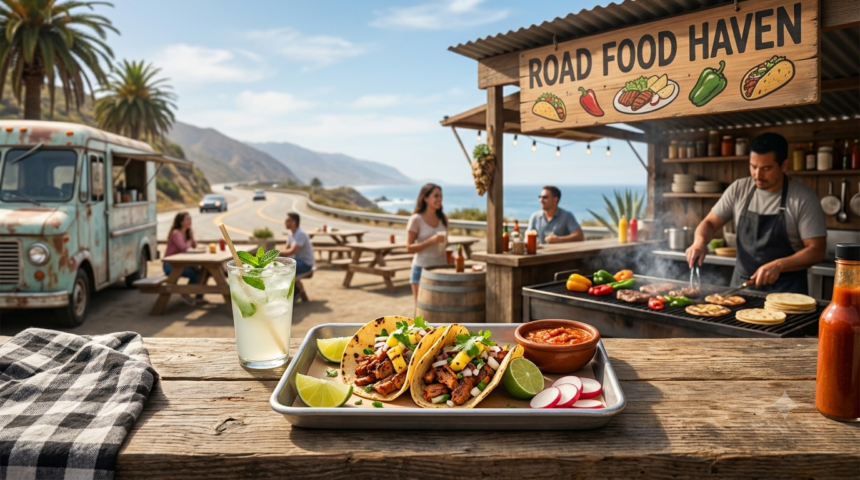
At its core, road food refers to dishes served at roadside diners, independent drive-ins, regional service plazas, street carts, and food trucks positioned along travel routes. Unlike standard fast-food franchises that offer uniform menus across the globe, authentic highway eateries serve regional specialties prepared using fresh, local ingredients and time-honored recipes.
The popularity of roadside eating stems from several distinct factors:
- Authenticity: Local chefs and family-owned establishments prepare dishes that reflect the heritage and agricultural produce of the surrounding region.
- Affordability: Roadside stops frequently offer generous portions at reasonable prices compared to downtown tourist spots.
- Convenience: Positioned right along major highways and back roads, these eateries allow drivers to refuel both their vehicles and their appetites without long detours.
- Community Connection: Eating at a local counter offers a chance to converse with residents, gain local insights, and discover hidden gems nearby.
Ultimately, choosing regional dishes during your travels transforms a plain commute into an engaging cultural experience.
The Cultural Significance of Roadside Dining
Roadside dining culture developed hand-in-hand with the expansion of highway networks throughout the twentieth century. As personal automobile ownership grew, travelers required quick, hearty, and enjoyable meals along primary transit corridors. Small towns quickly recognized that unique culinary offerings could entice passing motorists to stop, rest, and support local economies.
In many places, iconic highway dishes have become central to regional identities. For instance, the legendary barbecue huts scattered along rural highways in North Carolina, Texas, and Kansas serve as cultural landmarks as much as dining spots. Similarly, roadside dhaba establishments across India or tapas stops along Spanish motorways offer unique windows into daily regional life. By choosing traditional local fare on your journey, you participate in a long-standing travel tradition that preserves regional food culture.
Top Regional Road Food Specialties You Must Try
Every corner of the globe offers its own interpretation of convenient highway dining. Here is a look at some of the world’s most famous regional options.
North American Classics
North America boasts a rich tradition of highway dining, shaped by vast highway systems and diverse regional cultures:
- Southern Barbecue: Pulled pork, smoked brisket, and ribs served with homemade cornbread at rural roadside smokehouses.
- New England Lobster Rolls: Chilled lobster meat lightly dressed in mayonnaise or warm butter, served inside a split-top toasted bun at coastal roadside shacks.
- Southwestern Breakfast Burritos: Scrambled eggs, hash browns, cheese, and roasted green chiles wrapped tightly in a flour tortilla for easy hand-held eating.
- Midwestern Pork Tenderloin Sandwiches: A crispy, giant breaded pork cutlet served on a bun that seems half its size.
European Highway Delights
European road travel offers surprisingly sophisticated and diverse culinary options along major routes:
- French Autoroute Bakeries: Freshly baked baguettes, croissants, and artisan sandwiches filled with local cheeses and cured meats.
- German Autobahn Imbiss: Crispy currywurst served with warm fries or freshly grilled bratwurst on a crusty roll with mustard.
- Italian Autogrill Panini: High-quality prosciutto, fresh mozzarella, and sun-dried tomatoes toasted between fresh ciabatta bread.
Asian Street and Roadside Stalls
Asian road networks feature vibrant outdoor cooking operations that draw travelers from afar:
- Indian Dhaba Fare: Freshly baked butter naan, rich dal makhani, and spiced paneer served at open-air highway stops designed for long-haul drivers.
- Thai Highway Noodle Carts: Spicy Pad Thai and aromatic boat noodles cooked to order in hot woks beside busy transit junctions.
- Vietnamese Bánh Mì: Airy baguettes stuffed with savory pork pâté, pickled vegetables, fresh cilantro, and chili slices.
Safety and Hygiene Tips for Roadside Eating
While exploring regional dishes is rewarding, maintaining health and food safety during a trip is essential. Follow these simple guidelines to ensure every meal remains enjoyable:
- Look for High Turnover: High customer volume usually means ingredients are fresh and continuously replenished rather than sitting out for hours.
- Observe Cook Stand Cleanliness: Pay close attention to the preparation area. Clean cooking surfaces, proper utensil handling, and clean aprons are good indicators of quality.
- Eat Piping Hot Food: Choose dishes that are cooked thoroughly to order at high temperatures. Heat kills harmful bacteria effectively.
- Be Cautious with Raw Ingredients: Exercise extra care with uncooked vegetables, raw seafood, or unpasteurized dairy products in warm climates unless you are confident in the water quality.
- Wash Your Hands First: Keep hand sanitizer or wet wipes in your vehicle so you can clean your hands before eating, especially after handling gas pumps or toll booths.
Practical Tips for Planning a Road Food Adventure
To get the most out of your culinary journeys, a little preparation goes a long way:
- Research Route Specialties: Before hitting the highway, check food blogs and local mapping apps to identify famous regional dishes along your route.
- Avoid Peak Rush Hours: Aim to stop slightly before or after standard meal hours (for instance, around 11:30 AM for lunch) to beat long queues at popular spots.
- Carry Cash: Many authentic, rural roadside vendors do not accept credit cards or mobile payments. Keep small bills accessible.
- Pack Portable Essentials: Carry reusable napkins, moist towelettes, a small trash bag, and water bottles in your car for comfortable dining inside or outside your vehicle.
Frequently Asked Questions (FAQs)
What is the definition of road food?
It refers to authentic, regional dishes sold at roadside diners, drive-ins, food carts, and independent eateries located along major travel routes and highways.
How do I find the best road food spots while driving?
Use review apps, ask local residents at gas stations for recommendations, and look for places crowded with local commercial drivers or resident vehicles.
Is roadside food safe to eat during long trips?
Yes, provided you choose busy stalls with high food turnover, order dishes cooked fresh at high temperatures, and practice proper hand hygiene before eating.
What are the best packable snacks to supplement hot road food?
Great complementary items include fresh whole fruits (like apples and oranges), nuts, trail mix, beef jerky, popcorn, and plenty of fresh drinking water.
Why is local highway dining often better than fast-food chains?
Local eateries use fresher regional ingredients, traditional recipes, and distinct flavor profiles, whereas fast-food chains offer standardized, heavily processed menus.
How can I budget for food on a long road trip?
Combine affordable roadside diner lunches with packed snacks and self-prepared breakfasts to enjoy delicious regional meals while keeping your total expenses low.
Conclusion
Exploring regional culinary stops is one of the most rewarding aspects of any travel journey. Choosing authentic road food allows you to break away from generic transit meals and discover the true culinary personality of every region you pass through. Whether you are savoring a slow-smoked barbecue sandwich at a rustic pitstop, enjoying a warm pastry along an ocean highway, or pausing for spiced curry at a highway truck stop, these meals nourish both body and spirit. By prioritizing cleanliness, planning ahead, and staying curious, your next road trip can double as an unforgettable food adventure. Pack your bags, keep your eye on the horizon, and savor every bite along the way!
